By ISSF Admin
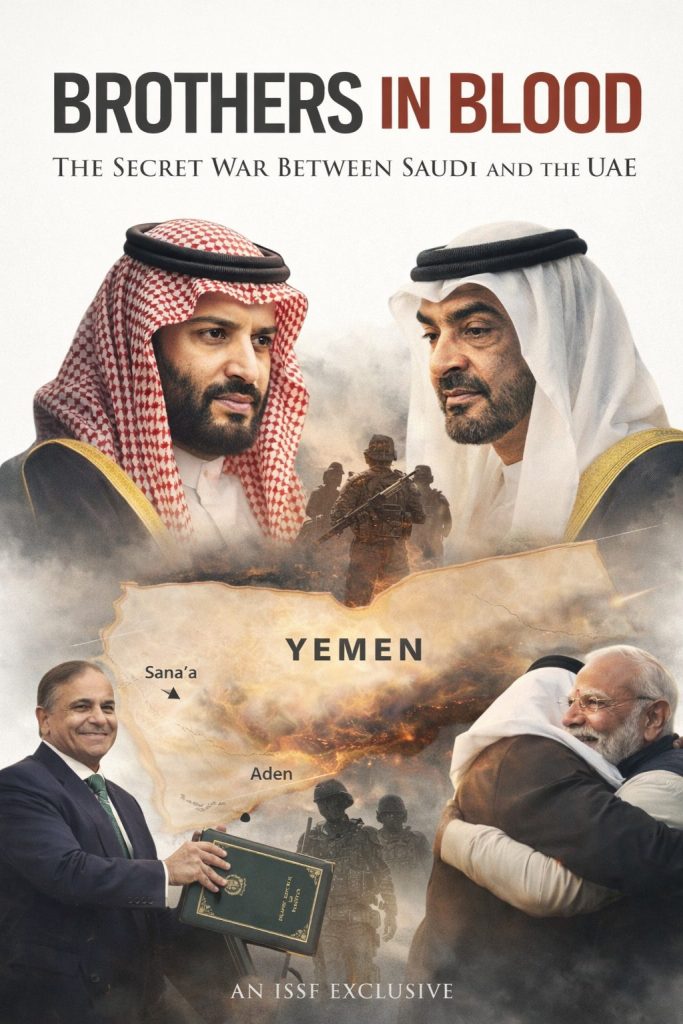
The Fracture of the Khaleeji Shield
The air over the Gulf of Aden was thick with humidity and the smell of salt spray on the morning of December 30, 2025.

In the ancient port city of Mukalla, Yemen, dockworkers were busy unloading the Greenland, a cargo vessel flagged out of St. Kitts.
To the casual observer, it was another shipment of humanitarian aid or commercial vehicles – a common sight in a war-torn nation.
But tracking data analyzed by intelligence agencies in Riyadh painted a far more sinister picture: the ship had sailed from Fujairah, United Arab Emirates, and its transponder had been deliberately disabled for the final leg of the journey.
At 10:28 AM, the sky tore open.
A “limited” airstrike, authorized by the Royal Saudi Air Force (RSAF), slammed into the dock.
The explosion didn’t just twist metal and shatter glass; it shattered the last façade of unity in the Arabian Peninsula.
The Saudi coalition command explicitly stated the target was “heavy weaponry and combat vehicles” destined for the Southern Transitional Council (STC) – a militia funded, trained, and armed by their own supposed ally, the United Arab Emirates.
This was not friendly fire. It was a shot across the bow in a fratricidal war that has been simmering in the shadows for half a decade.
For years, the Gulf Cooperation Council (GCC) projected a monolithic image to the world: the “Khaleeji” bloc – wealthy, stable, and unified against Iran and political Islam.
Saudi Arabia was the religious heart and demographic muscle; the UAE was the strategic brain and financial hub.
They were the “Simba and Mufasa” of the Arab world – distinct but aligned.
That era is dead. It died in the kill zones of Hadramout, in the gold smuggling routes of Sudan, and in the boardrooms of Riyadh where multinational CEOs were given a stark ultimatum: abandon Dubai or starve.
We are now witnessing a shadow war that stretches from the Horn of Africa to the Thar Desert.
It is a conflict defined by a bitter personal rift between Crown Prince Mohammed bin Salman (MBS) and President Sheikh Mohammed bin Zayed (MBZ), a divorce that has split the Islamic world into two emerging, hostile blocs.
And sitting at the center of this geopolitical chessboard, courted by both sides with desperation and billions of dollars, is the Republic of India.
Part 1: The Divorce (The “Why”)
1.1 The Bromance That Burned Out
To understand the visceral nature of this hatred, one must first understand the intensity of the love that preceded it.
Between 2015 and 2017, the relationship between Mohammed bin Salman (MBS) and Mohammed bin Zayed (MBZ) was the axis around which the Middle East revolved.
It was a dynamic often described in diplomatic cables as “mentor and protégé.”
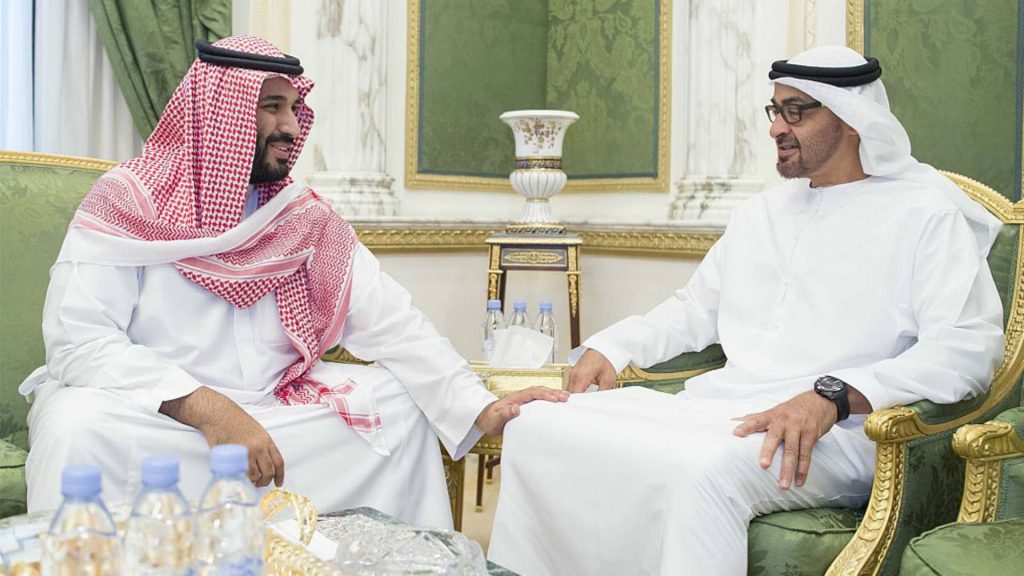
MBZ, the seasoned, Sandhurst-trained strategist of Abu Dhabi, saw potential in the young Saudi prince.
He took MBS under his wing, guiding him through the labyrinth of Washington D.C. politics and lobbying the Trump administration to back MBS’s ascent to the throne.
They were inseparable. They shared falconry hunting trips in the Central Asian steppes and yacht summits in the Red Sea.
Together, they were a wrecking ball. They launched the intervention in Yemen in 2015 to crush the Iran-backed Houthis.
They orchestrated the blockade of Qatar in 2017 to suffocate the Muslim Brotherhood and political Islam. They were a unified front.
But the dynamic shifted. As MBS consolidated power, neutralizing domestic rivals like Mohammed bin Nayef and launching his grandiose Vision 2030, the “Little Brother” dynamic became intolerable for Riyadh.
The psychological break occurred when Saudi Arabia – the self-proclaimed leader of the Islamic world – woke up to realize that while it had the size and the holy sites, the UAE had the sophistication, the economy, the military efficiency, and the global rolodex.
The rift went public – explosively – in late 2025. In a rare off-the-record briefing with local media in Riyadh, MBS reportedly unleashed a tirade that shocked those present. Referring to the UAE, he stated, “They stabbed us in the back.”
He warned, “They will see what I can do,” threatening measures worse than the Qatar blockade. This was not standard political posturing; it was the rage of personal betrayal. MBZ, the mentor, had ghosted the pupil.
The UAE President skipped major summits in Riyadh and refused to align on critical oil output decisions. The silence between the two men lasted over six months, a lifetime in the hyper-social world of Gulf diplomacy.
1.2 Project HQ: The Economic Ultimatum
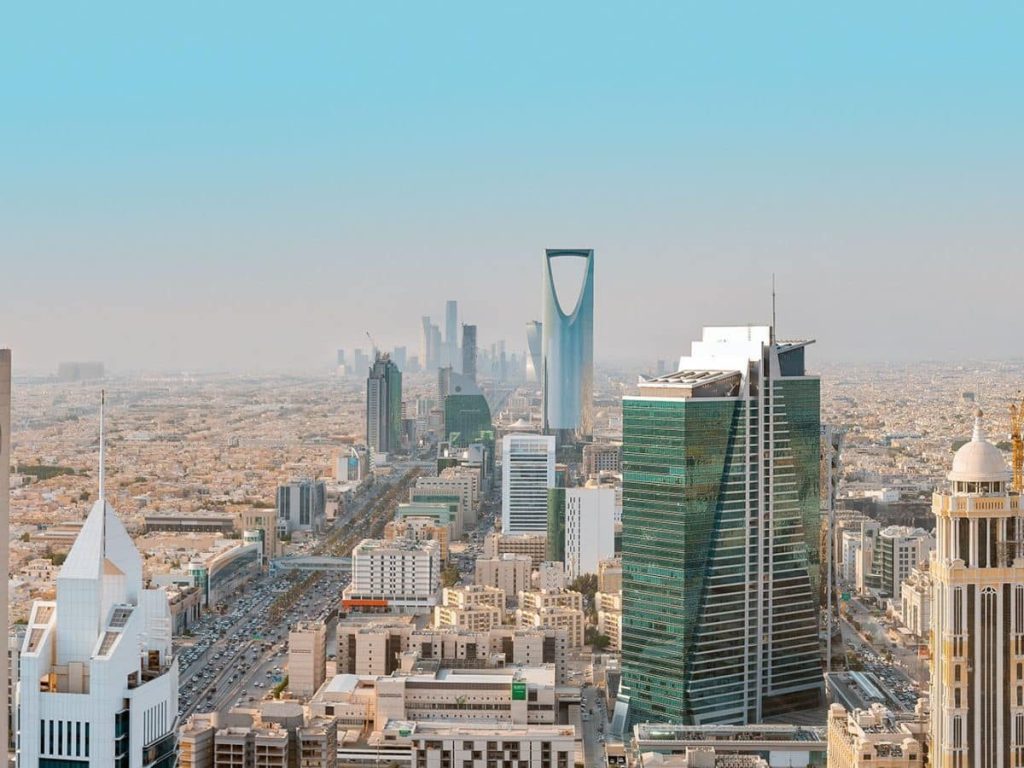
The war began not with missiles, but with a bureaucratic circular that sent shockwaves through the glass towers of Dubai. Saudi Arabia’s “Project HQ” (Regional Headquarters Program) was the first shot across the bow of the UAE’s economic model.
For decades, the unspoken social contract of Gulf business was simple: You make money in the massive Saudi market, but you live, spend, and bank in the liberal, glitzy hub of Dubai.
Saudi Arabia was the cash machine; Dubai was the home. MBS decided to shatter this paradigm.
The “HQ Ultimatum” was stark: global firms had until January 2024 (enforced strictly by January 2026) to relocate their regional headquarters to Riyadh or forfeit all Saudi state contracts.
This was an existential threat to the UAE. Dubai is built on being the “gateway” to the Middle East. MBS decided to close the gate.
Secret File: The Corporate Migration Statistics
| Metric | Detail | Strategic Implication |
| Companies Relocated | 600+ multinational corporations by 2026 | A direct hit to Dubai’s commercial real estate occupancy and the secondary service economy. |
| The Incentive | 30-year tax exemption (0% Corporate Income Tax, 0% Withholding Tax) | This aggressively undercuts the UAE’s recent introduction of corporate tax, initiating a race to the bottom. |
| Target Sector | Facility Management & Construction | The Saudi market is projected to reach $134.82B by 2035 , a volume Dubai cannot match. |
| The Message | “You can holiday in Dubai, but you work in Riyadh.” | Forces a bifurcation of the expatriate workforce, dismantling the “commuter executive” lifestyle. |
By 2026, the strategy was biting deep. Companies like Boeing, Amazon, and heavy logistics firms began shifting senior executives to the Kingdom.
The “commuter flight” lifestyle – living in Dubai’s Palm Jumeirah and flying to Riyadh for meetings – was being systematically dismantled by new visa rules and residency requirements that demanded physical presence.
1.3 The Battle for the Skies: Riyadh Air vs. Emirates
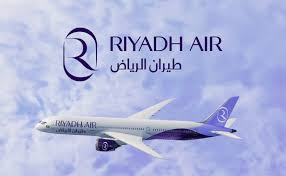
If Project HQ was the siege, Riyadh Air was the precision airstrike on Dubai’s pride. For twenty years, Emirates Airline has been the undisputed king of Gulf aviation, turning Dubai into the world’s crossroads.
Saudi Arabia, despite its size, had a flag carrier (Saudia) that was viewed as lethargic and dry.
Enter Riyadh Air. Launched with the explicit goal of capturing the transit market that Emirates and Qatar Airways have monopolized, Riyadh Air is not just another carrier; it is a geopolitical weapon backed by the unlimited coffers of the Public Investment Fund (PIF).
Scheduled to launch commercial flights for the general public in Q1 2026, the airline’s strategy is aggressive cannibalization.
- The Fleet: The airline placed massive orders for Boeing 787s and Airbus A350-1000s, signaling an intent to go long-haul immediately.
- The Tech: In a move to leapfrog legacy carriers, Riyadh Air partnered with IBM to create the world’s first “AI-native” airline.
- The Pricing War: CEO Tony Douglas (poached from Etihad, a deliberate jab at the UAE) confirmed ticket prices would match or undercut Gulf rivals. “My market already exists,” he declared, referring to the captive Saudi population.
However, Riyadh Air faces a distinct cultural disadvantage. In the world of premium international travel, ideology often loses to champagne.
While Emirates serves vintage Dom Pérignon, Riyadh Air operates as a “dry” airline, adhering to Islamic law.
1.4 The Black Gold War: OPEC+ Dysfunction
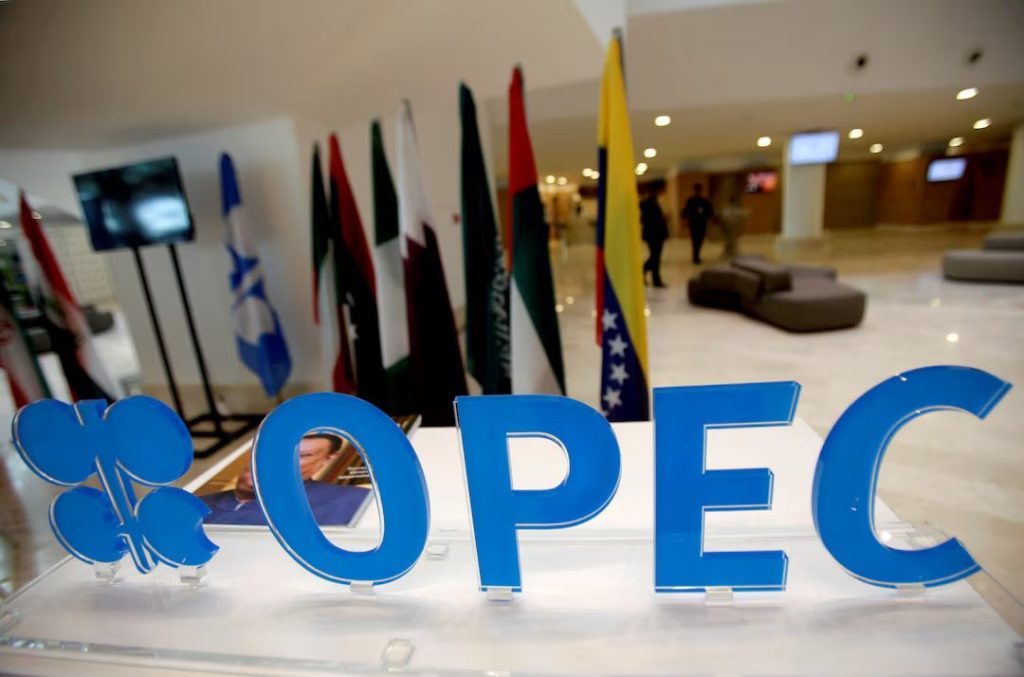
Underneath the glitz of airlines and corporate HQs lies the bedrock of the dispute: Oil.
The divergence in energy strategy between Riyadh and Abu Dhabi is profound and ideological.
The Saudi View (The Price Hawk): MBS needs oil prices to stay high – ideally between $80 and $100 per barrel – to fund the trillion-dollar gigaprojects of Vision 2030, such as NEOM, The Line, and the Red Sea Project.
This requires tight production cuts and strict quota discipline from all OPEC+ members.
The UAE View (The Volume Hawk): The UAE leadership, particularly ADNOC chief Sultan Al Jaber, believes the energy transition is accelerating. They subscribe to the theory of “peak oil demand.”
Their logic is simple: If demand is going to crash in the 2030s or 2040s, we need to pump as much as possible now.
The UAE has invested billions to expand its production capacity to 5 million barrels per day (bpd). They want to monetize these reserves before they become “stranded assets”.
By mid-2025, this dispute turned toxic. Riyadh feared Abu Dhabi would leave OPEC entirely to pursue maximum production – a nuclear option that would crash oil prices and bankrupt Saudi’s budget for Vision 2030.
Part 2: The Kill Zones (The Proxy Wars)
The economic cold war turned hot in the proxy battlegrounds of the Horn of Africa and the Red Sea. The “Brothers” were no longer just arguing; they were arming each other’s enemies.
2.1 Yemen: The Civil War Within a Civil War
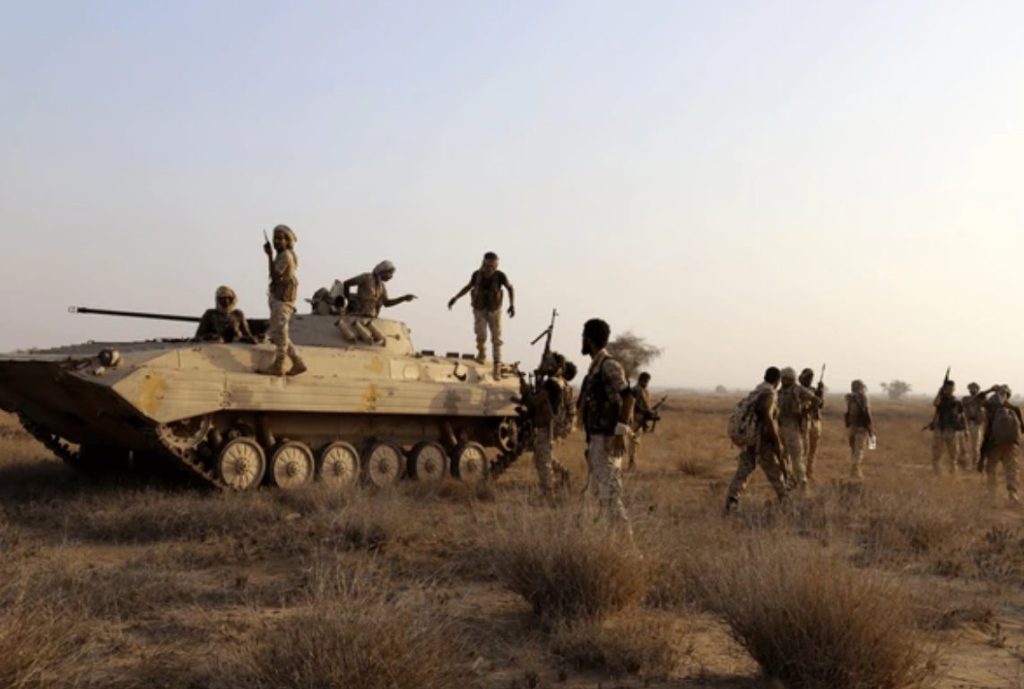
Yemen is the bleeding wound of the Gulf. Ostensibly, both nations intervened in 2015 to restore the legitimate government against the Iran-backed Houthis.
By 2025, the war against the Houthis had become a sideshow to the war between Saudi Arabia and the UAE for control of South Yemen.
The Factions:
- Saudi Arabia: Backs the Presidential Leadership Council (PLC). Their objective is a unified Yemen that secures Saudi Arabia’s southern border and provides a corridor for a pipeline to the Arabian Sea.
- UAE: Backs the Southern Transitional Council (STC). Their objective is an independent South Yemen (“South Arabia”). The UAE wants to control the strategic ports (Aden, Mukalla) and dominate the Bab al-Mandeb strait.
The Escalation (December 2025): In early December 2025, the UAE-backed STC launched “Operation Promising Future,” a lightning offensive to seize the oil-rich province of Hadramout.
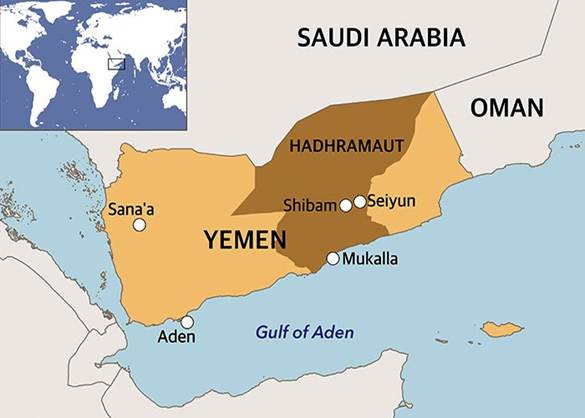
- Why Hadramout? It holds 80% of Yemen’s oil reserves. More importantly, it is the geography Saudi Arabia covets for its pipeline to bypass the Strait of Hormuz. Riyadh views Hadramout as its strategic backyard.
- The Red Line: Saudi Arabia declared the STC advance a threat to national security. When the UAE sent the Greenland to resupply the STC with heavy weapons in Mukalla, Saudi jets struck the vessel on December 30, 2025.
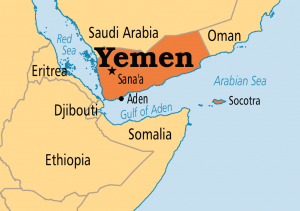
The Socotra Crisis (January 2026): The island of Socotra, a UNESCO world heritage site famous for its alien-looking dragon blood trees, became a hostage in this dispute.
Following the Mukalla airstrike, the Saudi-backed government declared a state of emergency, trapping over 600 international tourists on the island as the UAE withdrew logistics support.
Intelligence leaks confirmed that the UAE had facilitated an Israeli intelligence presence on Socotra to monitor Iranian naval movements, a move Riyadh viewed as “encirclement.”
2.2 Sudan: The Bailout Paradox
If Yemen is about geography, Sudan is about gold. The war in Sudan exposes the schizophrenic nature of regional alliances.
- UAE: Backs the Rapid Support Forces (RSF) led by General Hemedti.
- Motivation: The RSF controls the Jebel Amer gold mines. This gold is smuggled via Libya to Dubai, funding the UAE’s jewelry markets.
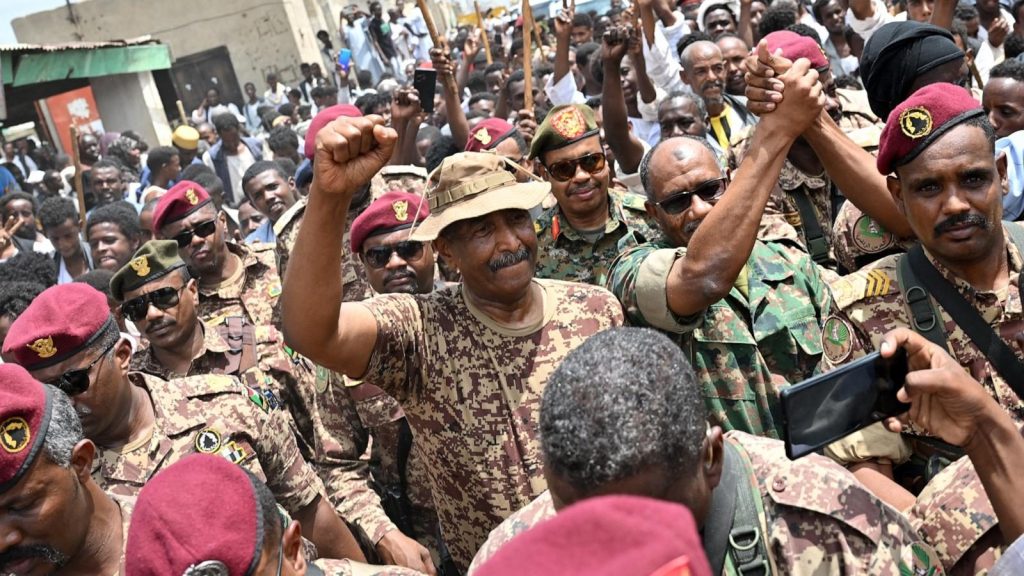
- Saudi Arabia & Egypt: Back the Sudanese Armed Forces (SAF) led by General Burhan.
- Motivation: Egypt fears a militia state on its southern border and needs a stable Sudan for Nile water security.
The Paradox: In early 2024, the UAE saved the Egyptian economy from collapse with the massive $35 Billion Ras El Hekma deal.
The Twist: Egypt took the UAE’s money but continued to bomb the UAE’s proxy in Sudan.
In January 2026, the Egyptian Air Force launched airstrikes on RSF convoys in the Uwaynat Triangle (border of Libya, Egypt, and Sudan), destroying vehicles supplied by the UAE. It is the definition of a “frenemy” relationship, monetized to the tune of billions.
Part 3: The New Teams (The Global Re-alignment)
The Saudi-UAE divorce has forced every regional player to pick a side. The fluidity of the past decade is cementing into two distinct, hardened axes.
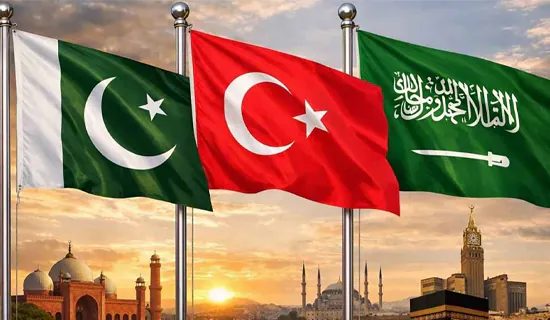
3.1 Team “Islamic Fortress”: Saudi Arabia, Pakistan, Turkey
Saudi Arabia has realized a hard truth: it lacks the military manpower to police its massive borders and the technological edge to fight modern drone wars alone.
To compensate, it has pivoted to the heavyweights of the Sunni Muslim world.
The Saudi-Pakistan Defense Pact (September 17, 2025):
Signed in Riyadh by MBS and Prime Minister Shehbaz Sharif.
- The Clause: “Aggression against one is aggression against both”. This language mimics Article 5 of NATO.
- The Nuclear Umbrella: While official denials abound, intelligence analysts suggest this pact formalizes the long-suspected “Saudi Option” – the understanding that Pakistan’s nuclear arsenal is the ultimate guarantor of the House of Saud.
With Iran nuclear-threshold capable, Riyadh has secured its deterrent via Islamabad.
The Turkish Connection:
Ankara, once the target of a Saudi boycott over the Khashoggi affair, has joined this axis.
- The Deal: Saudi Arabia signed a record-breaking $3 Billion+ deal for Turkish Bayraktar Akıncı drones.
- Tech Transfer: Unlike restrictive US deals, Turkey agreed to local production in Saudi Arabia. The Akıncı gives Riyadh a long-range, high-altitude strike capability that outmatches the UAE’s arsenal.
3.2 Team “Modern Spartans”: UAE, India, Israel
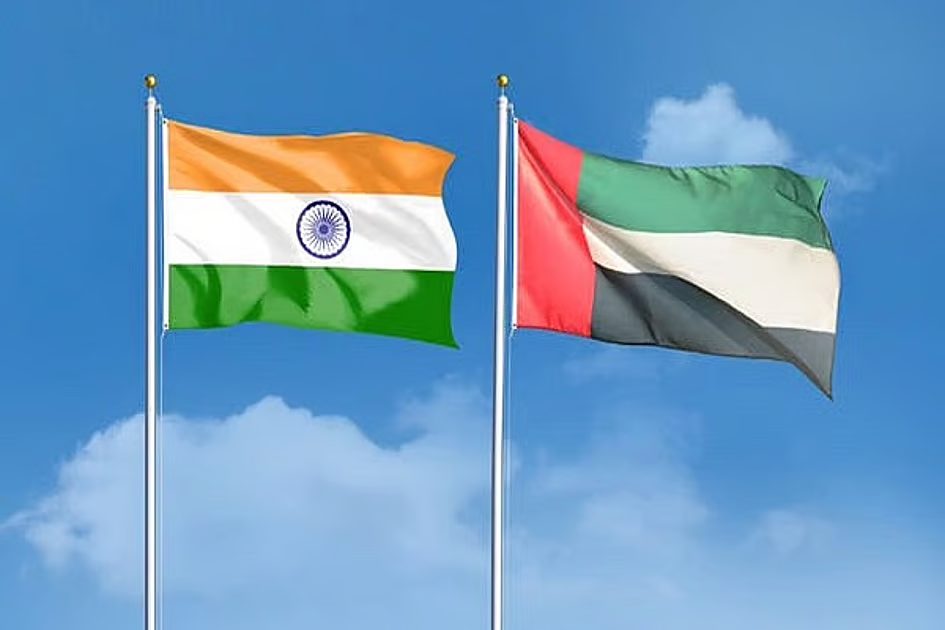
The UAE, aware of its demographic weakness (citizens are less than 12% of the population), cannot fight wars with mass. It must fight with technology, intelligence, and trade.
It has built an alliance of “Modern Spartans.”
The India Pivot (January 19, 2026):
The cornerstone of the UAE’s new strategy is India.
- The Visit: MBZ’s visit to New Delhi in January 2026 wasn’t just a photo op. It resulted in a “Letter of Intent for a Strategic Defense Partnership”.
- The Content: Deep cooperation on cyber security, counter-terrorism, and – crucially – nuclear technology. The “SHANTI” agreement paves the way for India to build Small Modular Reactors (SMRs) in the UAE.
- Weaponry: Reports indicate the UAE is eyeing India’s BrahMos supersonic cruise missiles and Akash air defense systems. This is a diversification strategy to reduce dependence on US systems that come with “human rights” strings attached.
Part 4: The Indian Angle (The “So What?”)
For India, this rivalry is not a distant conflict; it is a high-stakes tightrope walk.
India is the “Swing State,” the ultimate prize both MBS and MBZ need to secure their future.
4.1 The Strategic Dilemma: Choosing Between Brothers
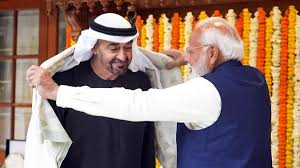
India has historically balanced ties with both Riyadh and Abu Dhabi. But as the rivalry turns zero-sum, neutrality becomes expensive.
The Saudi Threat (The Nightmare): The September 2025 Saudi-Pakistan defense pact is India’s strategic nightmare. If India enters a conflict with Pakistan, is Saudi Arabia now treaty-bound to support Islamabad?
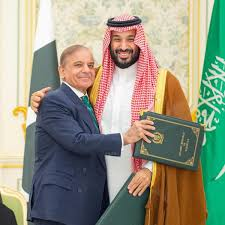
This undoes years of Indian diplomacy that successfully “de-hyphenated” Saudi Arabia from Pakistan. Furthermore, Riyadh could weaponize its oil exports in a crisis if India tilts too far toward the UAE.
The UAE Opportunity (The Gateway): The UAE offers India a way to bypass the “Islamic Fortress” axis. By partnering with the UAE and Israel, India secures its western flank against the Saudi-Pakistan alliance. The UAE is the “good cop” to Saudi’s “bad cop.”
4.2 The Economic Stakes: Billions on the Table
Trade & Energy:
- Volume: India-UAE trade hit $100B in 2024-25. The new target set in Jan 2026 is $200 Billion by 2032.
- LNG: A $3 Billion deal for ADNOC to supply India with 0.5 million tonnes of LNG annually was signed in Jan 2026.
Migration & Remittances:
The human capital flows are shifting.
- Saudi Arabia: Aggressively recruiting blue-collar labor for NEOM and construction (6.95 lakh workers recruited 2020-2025).
- UAE: Remains the hub for white-collar professionals. While the US has overtaken the Gulf as the top source of remittances to India, the UAE remains a strong #2 (19.2% share), while Saudi Arabia has dropped to #4 (6.7%).
This signals that the “quality” of Indian migration to the UAE is higher (richer professionals) compared to the labor-intensive migration to Saudi.
The IMEC Corridor: The India-Middle East-Europe Corridor (IMEC) is currently stalled due to regional tension.
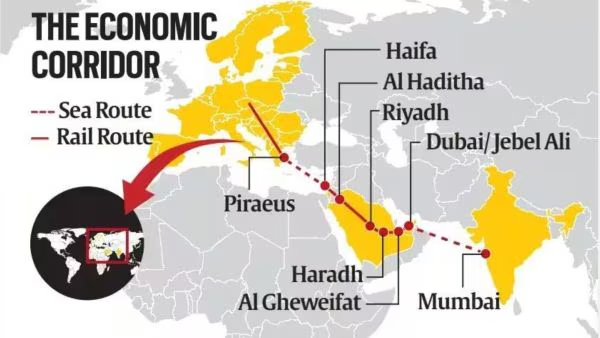
However, the UAE is pushing for a maritime-heavy route that bypasses Saudi land transit if necessary, further integrating Indian ports with Dubai rather than Dammam.
Detailed Analysis: The Weaponry of the Secret War
To understand the lethality of a potential escalation, we must look at the hardware. This is not just a trade war; it is an arms race.
Secret File: Arsenal Comparison (2025)
| Feature | Saudi Arabia (The Sledgehammer) | UAE (The Scalpel) | Advantage |
| Air Force | 900+ aircraft (F-15SA, Typhoon). Massive strike capacity. | 550+ aircraft (F-16 Block 60, Mirage 2000). Highly advanced avionics. | Saudi (Volume) |
| Drones | Bayraktar Akıncı (Turkey). High altitude, heavy payload (1,350 kg). | Wing Loong (China), US-made Predators. | Saudi (New Turkish tech) |
| Missiles | Dong Feng-3/21 (China). Intermediate-range ballistic missiles. Inaccurate but destructive. | THAAD & Patriot PAC-3. Best missile defense in the region. Interested in BrahMos (India). | UAE (Defense) / Saudi (Offense) |
| Navy | Blue-water ambition but historically weak. Investing in frigates. | Coastal defense specialist. Corvettes, stealth vessels. Control of ports. | UAE (Strategic positioning) |
| Manpower | 257,000 Active personnel. Reliable on paper, struggle in Yemen. | 65,000 Active. Relies heavily on mercenaries (Colombian, Sudanese) & proxies (STC). | Saudi (Numbers) |
The Strategic Mismatch:
Saudi Arabia fights with a hammer – massive airstrikes and heavy artillery. The UAE fights with a scalpel – assassinations, special forces, cyber warfare (Project Raven), and precise proxy militias.
In a direct conflict, Saudi Arabia has the strategic depth, but the UAE has the tactical reach.
Conclusion: The War Game Scenario (2027)
The Trigger:
It is July 14, 2027. The STC, frustrated by stalled talks and Saudi blockades, unilaterally declares the “State of South Arabia” in Aden.
Saudi Arabia declares this an act of sedition and a violation of Yemen’s sovereignty.
The Escalation:
- Day 1 (06:00): Saudi jets bomb the STC presidential palace in Aden. Special forces seize the airport.
- Day 3: UAE cyber units (Project Raven) retaliate, hitting Saudi Aramco’s internal grid, disrupting oil export processing for 48 hours.
- Day 5: Saudi Arabia activates the defense pact with Pakistan. Pakistani troops deploy to the southern Saudi border as a show of force.
- Day 7: The UAE invokes the defense partnership with India, requesting naval escorts for its oil tankers in the Persian Gulf to prevent a Saudi blockade.
India’s Nightmare:
New Delhi receives two phone calls within the hour.
- Call 1 (Riyadh): “We supply 20% of your oil and host 2.5 million of your workers. If you help the UAE, the taps run dry. And remember, Pakistan is standing with us.”
- Call 2 (Abu Dhabi): “We hold $50 Billion of your investments and are your gateway to Europe. If you don’t secure the shipping lanes, your economy collapses.”
The Verdict:
In this secret war, there are no winners, only survivors. For India, the ultimate prize is not choosing a winner, but managing the chaos.
The “Modern Spartans” (UAE) offer the technology, trade, and modernity India craves for its future.
The “Islamic Fortress” (Saudi) holds the energy leverage and the Pakistan card that India fears for its security.
The divorce is final. The brothers are now enemies. The khaleeji shield is broken, and the shards are sharp enough to cut anyone who tries to pick them up.
Key Takeaways for Indians
- Your Job Might Move: If you work for a multinational in Dubai, expect massive pressure to move to Riyadh by 2026-2027. The “Project HQ” ultimatum is not a bluff; it is state policy.
- Travel Will Change: Riyadh Air (launching 2026) will start a brutal price war. Flights to Europe/US might get cheaper, but Dubai’s dominance as the only hub is ending.
- Geopolitics is Local: A strike in Yemen impacts your petrol price. The Saudi-Pakistan pact is a direct strategic threat to India, making the UAE an essential, if complicated, ally to balance the scales.
- The Investment Opportunity: The UAE is looking to invest billions in India (nuclear, space, infrastructure) to diversify away from its dangerous neighborhood. Saudi Arabia is looking to extract labor and talent to build its own. Know the difference.